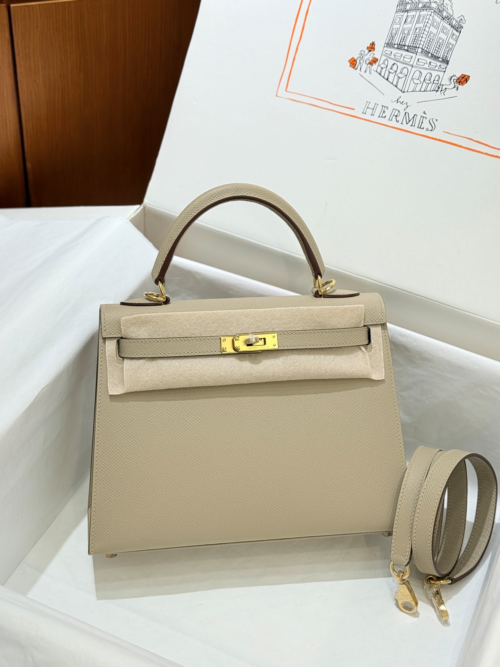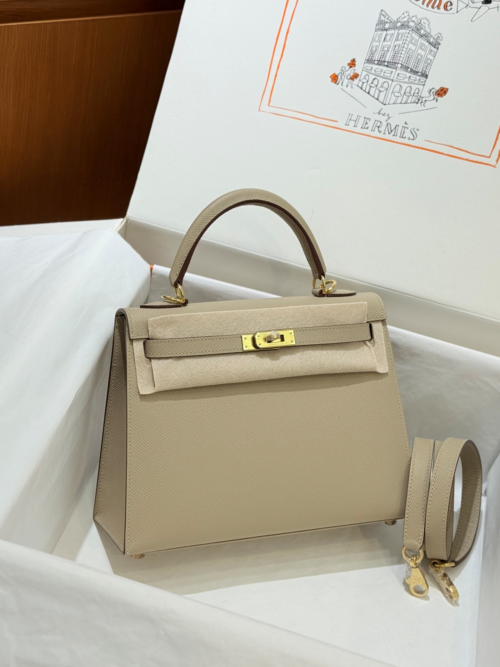

Why the Birkin Refuses to Depreciate
While most handbags lose 60-70% of their value the moment you leave the boutique, the Hermès Birkin operates in its own economic universe. Even pre-loved authentic Birkins routinely command prices above retail. In the replica market, this same principle holds—demand for Birkin replicas outstrips supply because the design itself is timeless.
The Investment Logic
- Scarcity by design: Hermès deliberately restricts production. Replicas that nail the details become scarce too—good factories can’t mass-produce hand-stitched saddle leather.
- Material durability: Togo and Clemence leathers used in top-tier replicas develop patina. A $300 replica that lasts 8 years costs $3.75/month. A $12,000 authentic with the same lifespan costs $125/month.
- Resale liquidity: In replica communities, Birkins move fastest. The silhouette is unmistakable, the demand evergreen.
Which Sizes Hold Value Best?
The Birkin 25 and Birkin 30 dominate resale. The 35 is practical but less coveted. Mini Birkins (the 20-22cm range) are trending hard in 2026—compact, cute, and photograph perfectly for social media.
Color Strategy
Neutrals win. Noir, Etoupe, Gold, and Craie are the “safe” colors that everyone wants. Brights (Rouge Casaque, Bleu Zanzibar) are fun but narrower appeal. If you’re buying one bag to use for years, go neutral. If you’re building a rotation, add one statement color.
Bottom Line
The Birkin isn’t just a bag—it’s a currency. Whether authentic or AAA replica, the design itself holds value because the world agreed it would. That’s the power of iconic design.